
Table of Contents
Brief overview of the keto diet
The ketogenic (keto) diet is a low-carbohydrate, high-fat eating plan designed to help the body enter a metabolic state called ketosis. In ketosis, the body shifts from using carbohydrates as its primary energy source to burning fat for fuel.
Typically, the keto diet consists of
- 70–75% fats
- 20–25% protein
- 5–10% carbohydrates
By significantly reducing carb intake, insulin levels drop, allowing stored fat to be broken down into ketones, which the body uses for energy. This process can support weight loss, improved energy levels, and better blood sugar control for some individuals.
Common keto-friendly foods include meats, eggs, fish, healthy oils, cheese, nuts, seeds, and low-carb vegetables. Sugary foods, grains, and starchy vegetables are generally avoided.
Importance of choosing the right keto foods
Choosing the right keto foods is essential for achieving and maintaining ketosis, the metabolic state that makes the ketogenic diet effective. While keto is high in fat, not all fats and proteins support optimal results. Eating the wrong foods can increase carb intake, spike insulin levels, and slow progress.
High-quality keto foods provide healthy fats, clean protein, and minimal carbohydrates, helping stabilize energy levels and reduce cravings. Whole foods such as eggs, fatty fish, avocados, and natural oils also supply essential nutrients and electrolytes, which are critical for preventing common keto side effects like fatigue and headaches.
By focusing on nutrient-dense, low-carb foods, you improve digestion, support metabolic health, and make the keto diet more sustainable long-term. Simply put, the right food choices determine whether keto works efficiently or becomes frustrating.
What readers will learn in this article
In this article, readers will learn how choosing the right Keto Foods can support ketosis, improve energy levels, and simplify the ketogenic lifestyle. It explains which essential Keto Foods should always be included in a keto grocery list and why they play a vital role in fat burning and overall health.
Readers will also discover the benefits of nutrient-dense Keto Foods, how they help reduce cravings, and how smart food choices can make the keto diet easier to follow long-term. By the end of the article, readers will have a clear understanding of how to select the best Keto Foods to stay consistent and achieve better results on a ketogenic diet.
This guide to 5 Vital Keto Foods You Should Always Buy will help readers build a smart keto grocery list and avoid common low-carb mistakes.
1. Avocados
- Nutritional overview
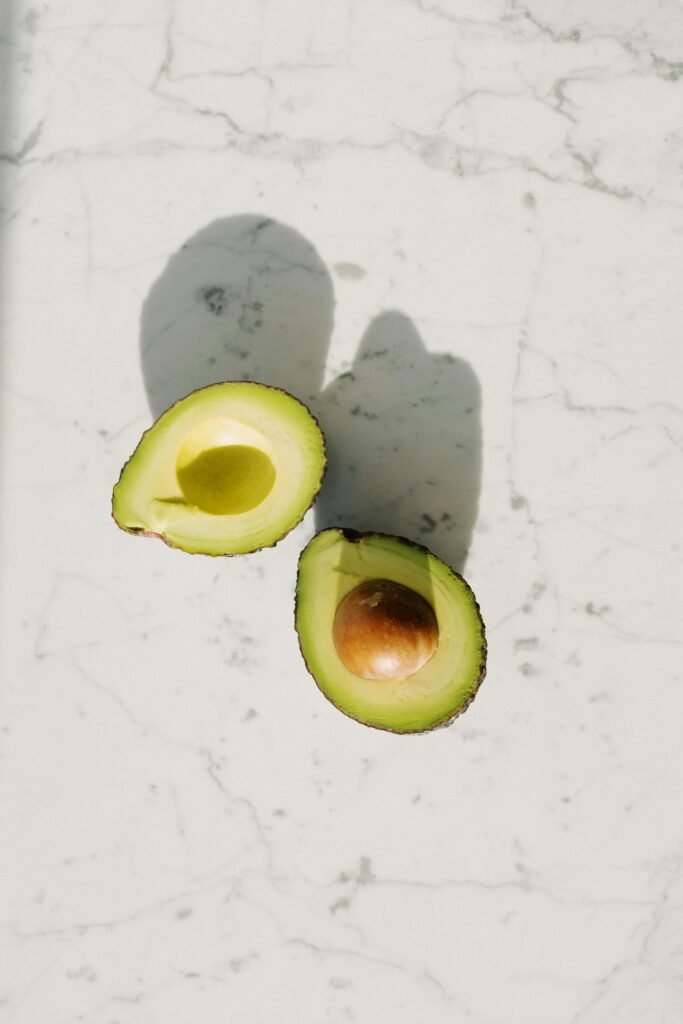
Avocados are one of the most nutrient-dense Keto Foods available. They are high in healthy monounsaturated fats and very low in net carbohydrates. A medium avocado contains roughly 1–2 grams of net carbs, along with fiber, potassium, magnesium, and vitamins C, E, and K.
- Why they’re keto-friendly
Avocados fit perfectly into the keto diet because of their high fat and low carb content. The fiber in avocados helps offset total carbohydrates, making them an ideal food for maintaining ketosis. Among Keto Foods, avocados stand out for providing clean energy without causing blood sugar spikes.
- Health benefits
Avocados are one of the most nutritious Keto Foods you can include in your diet. Their high content of healthy monounsaturated fats supports heart health by reducing bad cholesterol (LDL) while increasing good cholesterol (HDL).
They are also rich in potassium, which helps balance electrolytes and prevent common keto side effects such as fatigue, cramps, and headaches. The fiber in avocados aids digestion and promotes a healthy gut, while antioxidants like vitamins C, E, and K support immune function and reduce inflammation.
Including avocados in your list of essential Keto Foods not only keeps you in ketosis but also improves overall wellness, making them a must-have for anyone following the ketogenic lifestyle.
- How to use them on keto
Avocados are versatile and easy to incorporate into your daily meals, making them a top choice among Keto Foods. Here are some ways to enjoy them on a ketogenic diet:
- Salads and Bowls – Slice or dice avocados to add healthy fats and creaminess to keto salads and bowls.
- Guacamole – Mash avocados with lime, salt, and herbs for a quick, low-carb dip or topping.
- With Eggs – Pair avocados with scrambled, boiled, or fried eggs for a filling keto breakfast.
- Smoothies – Blend avocados with unsweetened almond milk, spinach, or berries for a creamy, nutrient-rich keto smoothie.
- Snacks – Enjoy half an avocado drizzled with olive oil or sprinkled with salt and pepper for a fast, satisfying snack.
- Substitute for Butter or Mayo – Use mashed avocado in place of butter or mayonnaise in keto recipes for healthier fat.
2. Eggs
- Macronutrient profile
Eggs are one of the most versatile and nutrient-dense Keto Foods. A large egg contains approximately

- 0.6 grams of carbs
- 6 grams of protein
- 5 grams of healthy fat
They also provide essential vitamins and minerals, including vitamin B12, choline, selenium, and vitamin D, making them a keto powerhouse.
- Benefits for ketosis
ggs are ideal for the ketogenic diet because their low carb, high fat, and moderate protein content supports ketosis without spiking insulin levels. They help stabilize energy, keep you full for longer periods, and provide the building blocks needed for muscle maintenance while in a fat-burning state.
- Best ways to eat eggs on keto
Eggs are extremely versatile among Keto Foods and can be incorporated in various ways:
- Scrambled or Fried – Quick and easy for breakfast or snacks.
- Boiled or Poached – Perfect for meal prep or portable snacks.
- Omelettes – Add low-carb vegetables and cheese for a nutrient-packed meal.
- Keto Baking – Use eggs as a binder in low-carb bread, muffins, and desserts.
- Egg-Based Snacks – Make deviled eggs or egg salad for a satisfying, keto-friendly treat.
Including eggs regularly in your keto meal plan ensures you get high-quality protein, healthy fats, and essential nutrients, making them a cornerstone of your Keto Foods list.
3. Fatty Fish (Salmon, Sardines, Mackerel)
- Omega-3 content
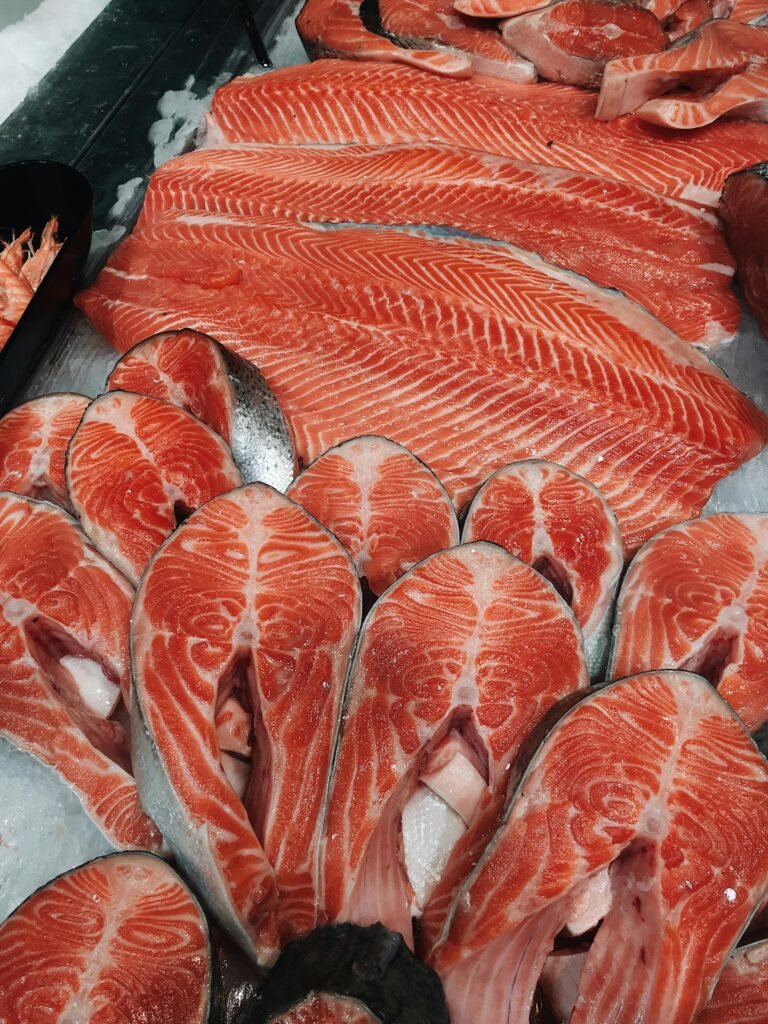
Fatty fish are among the healthiest Keto Foods you can eat because they are rich in omega-3 fatty acids, essential fats that reduce inflammation, support heart health, and improve brain function. Salmon, sardines, and mackerel are especially high in EPA and DHA, which are critical for overall well-being and optimal keto performance.
- Protein and fat balance
Fatty fish provide the perfect protein-to-fat ratio for the ketogenic diet. They are high in quality protein to support muscle maintenance and recovery, while their healthy fats help keep you in ketosis. Unlike lean protein sources, fatty fish provide energy without adding carbs, making them a top choice among Keto Foods.
- Buying tips (fresh vs frozen)
When choosing fatty fish for your keto diet:
- Fresh Fish – Offers superior flavor and texture but may be more expensive and perishable.
- Frozen Fish – Often just as nutritious, freezes well, and can be stored longer, making it convenient for meal prep.
- Canned Options (Sardines, Tuna) – Great for quick meals; choose varieties packed in water or olive oil without added sugars.
Including fatty fish in your weekly meal plan ensures you get high-quality protein, healthy fats, and essential nutrients, solidifying their place among must-have Keto Foods.
4. Full-Fat Dairy (Cheese, Butter, Heavy Cream)
- Why full-fat matters on keto
Full-fat dairy is an essential category of Keto Foods because it provides high-quality fats with minimal carbohydrates, making it perfect for maintaining ketosis. Unlike low-fat or skim dairy, full-fat options supply the energy your body needs while keeping you satisfied and reducing cravings for carb-heavy foods. Products like cheese, butter, and heavy cream are versatile and can be incorporated into meals, snacks, and keto-friendly desserts, helping you meet your fat macros without compromising flavor or nutrition.

When choosing dairy for keto, focus on keto-approved options such as cheddar, mozzarella, gouda, grass-fed butter, and full-fat heavy cream. Avoid low-fat or sweetened dairy products, as they often contain added sugars and carbs that can disrupt ketosis. Including natural, full-fat dairy in your meal plan ensures you enjoy rich, satisfying flavors while getting essential nutrients, making these dairy products a key part of any successful Keto Foods list.
- Types of keto-approved dairy
Not all dairy is created equal on a ketogenic diet, so it’s important to focus on keto-approved dairy that provides healthy fats with minimal carbs. The best options include cheese varieties like cheddar, mozzarella, gouda, and parmesan, which are low in carbohydrates and rich in fat. Butter, especially grass-fed, offers heart-healthy omega-3 fats and adds flavor to meals, while heavy cream can be used in coffee, sauces, or keto desserts to boost fat intake without adding carbs.
Other keto-friendly dairy options include full-fat Greek yogurt and sour cream, which can be used sparingly due to their slightly higher carb content. Avoid low-fat or sweetened dairy products, as they often contain added sugars that can disrupt ketosis. By focusing on these nutrient-dense Keto Foods, you can enhance the flavor and richness of your meals while staying on track with your ketogenic lifestyle.
- What to avoid
While full-fat dairy is a staple among Keto Foods, not all dairy products are keto-friendly. You should avoid low-fat or fat-free options, as they often contain added sugars and higher carbohydrate content to compensate for the missing fat. Sweetened yogurts, flavored creamers, and processed cheese products with starches or fillers can quickly add hidden carbs, making it harder to stay in ketosis.
Additionally, some pre-packaged dairy snacks or dessert items marketed as “low-fat” or “diet” may seem healthy but can sabotage your keto goals. Sticking to natural, full-fat dairy ensures you get the healthy fats, essential nutrients, and satisfying flavors necessary for a successful ketogenic diet. Including only approved dairy as part of your Keto Foods list helps maintain consistency and long-term results.
5. Low-Carb Vegetables (Spinach, Broccoli, Zucchini)
Low-carb vegetables are an essential group of Keto Foods because they provide vital nutrients while keeping carbohydrate intake low. Vegetables like spinach, broccoli, and zucchini are extremely low in net carbs, often containing less than 5 grams per serving, making them perfect for maintaining ketosis. They also deliver fiber, which helps improve digestion, support gut health, and stabilize blood sugar levels while following a ketogenic diet.
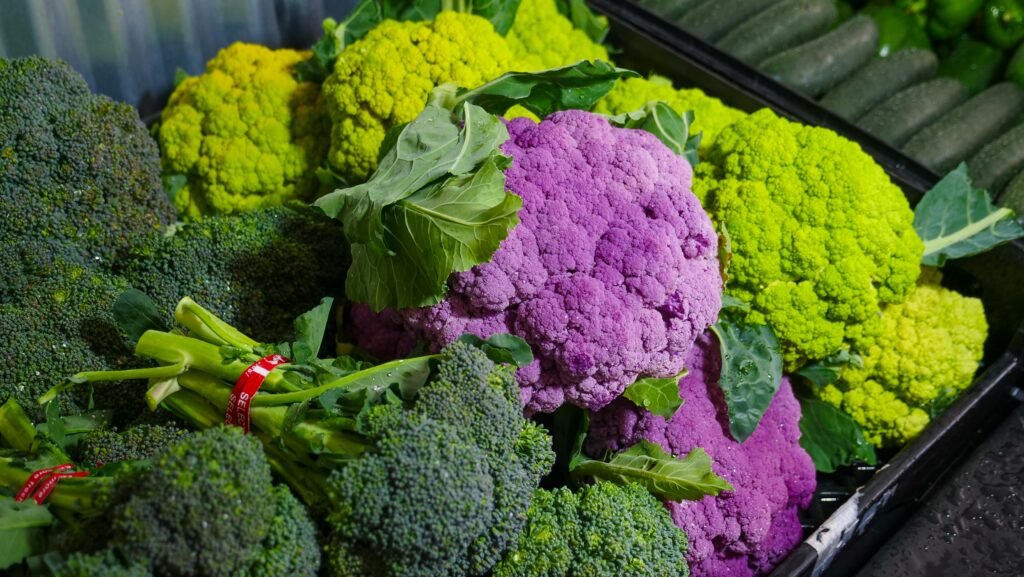
Beyond carbs, these vegetables are packed with micronutrients such as vitamins A, C, K, folate, and potassium, which are critical for overall health and energy. The best cooking methods for keto-friendly vegetables include steaming, roasting, sautéing in healthy oils, or adding them raw to salads. By incorporating these low-carb vegetables into your daily meals, you enhance the nutritional quality of your diet while keeping carbs in check, making them indispensable Keto Foods for anyone following a ketogenic lifestyle.
- Net carb breakdown
Understanding the net carb content of vegetables is essential when choosing Keto Foods, as staying within your daily carb limit is key to maintaining ketosis. Net carbs are calculated by subtracting fiber from total carbohydrates, since fiber doesn’t affect blood sugar levels. For example, spinach contains about 1–2 grams of net carbs per cup, broccoli has roughly 4 grams per cup, and zucchini provides about 3 grams per cup, making all three excellent low-carb choices for keto meals.
By focusing on vegetables with low net carbs, you can enjoy Keto Foods that are nutrient-dense without risking a spike in blood sugar or ketone disruption. Keeping track of net carbs allows for more flexibility in your diet, letting you incorporate healthy fats and proteins while still achieving your keto goals. These low-carb vegetables can be eaten in generous portions, helping you stay full and energized throughout the day
- Fiber and micronutrients
Low-carb vegetables are among the most nutrient-dense Keto Foods, providing essential fiber that supports digestive health and helps maintain satiety. Fiber slows digestion, stabilizes blood sugar levels, and offsets some of the carbohydrate content, making these vegetables ideal for maintaining ketosis. Vegetables like spinach, broccoli, and zucchini are particularly high in fiber while remaining very low in net carbs, allowing you to enjoy larger portions without exceeding your daily carb limit.
In addition to fiber, these vegetables are rich in micronutrients crucial for overall health. Spinach provides vitamin K, magnesium, and folate; broccoli delivers vitamin C, potassium, and antioxidants; and zucchini is a good source of manganese, vitamin A, and vitamin C. Including these nutrient-packed vegetables in your list of essential Keto Foods ensures your body receives vital vitamins and minerals while keeping carbs low, making your keto diet both effective and balanced.
- Best cooking methods
Choosing the right cooking methods for low-carb vegetables helps preserve their nutrients while enhancing flavor, making them essential Keto Foods for your meals. Steaming and blanching are ideal for retaining vitamins and minerals, keeping vegetables tender without adding extra carbs. Sautéing in healthy fats like olive oil, butter, or coconut oil not only boosts taste but also adds beneficial fats to support ketosis. Roasting vegetables such as broccoli, zucchini, and cauliflower brings out natural sweetness while maintaining their low net carb content.
Raw vegetables are another excellent option, especially for spinach and zucchini, which can be eaten in salads, wraps, or spiralized as noodles. Using a mix of raw and cooked low-carb vegetables ensures you maximize fiber, micronutrients, and variety in your diet. By preparing vegetables with keto-friendly methods, you can enjoy nutrient-dense Keto Foods that support both satiety and overall health while keeping your carb intake in check.
Shopping Tips for Keto Success
- Reading nutrition labels
When shopping for Keto Foods, reading nutrition labels is essential for staying on track with your carb and fat goals. Start by checking the serving size and total servings per package, as these determine how many carbs, fats, and calories you’re actually consuming. A product may look low in carbs at first glance, but eating more than one serving can quickly push your daily carb intake over your keto limit. Always use the serving size as your baseline to accurately track your macros.
Next, focus on key components like total carbohydrates, dietary fiber, and added sugars. Dietary fiber can be subtracted from total carbs to calculate net carbs, which is critical for maintaining ketosis. Also, watch for hidden sugars or starches in ingredients, especially in processed or flavored foods. By carefully reading nutrition labels, you can identify the best Keto Foods that support your diet, avoid carb pitfalls, and make grocery shopping much more effective.
- Avoiding hidden carbs
Hidden carbs can quickly derail your ketogenic diet if you’re not careful when selecting Keto Foods. Many processed or packaged items, even those marketed as “low-carb” or “keto-friendly,” may contain added sugars, starches, or sugar alcohols that increase net carbs. Always check the ingredient list in addition to the nutrition label to spot hidden sources of carbohydrates, such as maltodextrin, dextrose, honey, syrups, or fruit concentrates.
Be especially cautious with condiments, sauces, flavored dairy, and packaged snacks, as these often contain unexpected carbs. Using whole, minimally processed foods like eggs, meats, leafy greens, and healthy fats is the safest way to avoid hidden carbs. By paying close attention to labels and ingredients, you can ensure that the Keto Foods you choose truly support ketosis and help you stay consistent with your diet goals.
- Organic vs conventional
When selecting Keto Foods, deciding between organic and conventional products depends on personal preference, budget, and availability. Organic produce and pantry items are grown without synthetic pesticides or fertilizers, which can be appealing to those seeking cleaner eating. However, the nutritional differences between organic and conventional foods are generally small, so conventional options are still excellent choices for maintaining a ketogenic diet. The priority should be selecting low-carb, nutrient-dense foods that fit your keto macros rather than focusing solely on organic labels.
Some shoppers choose organic for produce that is eaten frequently or for items prone to higher pesticide residues, while conventional items with low residue risk can save money. Ultimately, both organic and conventional foods can be incorporated into your keto plan as long as they meet the carb, fat, and protein requirements of your diet. Choosing Keto Foods wisely—whether organic or conventional—ensures you stay in ketosis, maintain nutrient intake, and enjoy a balanced, sustainable ketogenic lifestyle.
Conclusion
- Recap of the 5 vital keto foods
- Avocados – Rich in healthy fats, low in net carbs, and packed with potassium and fiber, making them perfect for staying in ketosis.
- Eggs – High in quality protein and healthy fats, eggs are versatile and essential for energy and satiety on keto.
- Fatty Fish (Salmon, Sardines, Mackerel) – Provide omega-3 fatty acids and the ideal protein-to-fat balance, supporting heart and brain health.
- Full-Fat Dairy (Cheese, Butter, Heavy Cream) – Offers nutrient-dense fats and essential vitamins while keeping carbs minimal.
- Low-Carb Vegetables (Spinach, Broccoli, Zucchini) – Low in net carbs but high in fiber and micronutrients, essential for digestion and overall wellness.
- Encouragement to build a keto grocery routine
Creating a consistent grocery routine is one of the most effective ways to stay on track with your ketogenic lifestyle. By regularly stocking your kitchen with essential Keto Foods—like avocados, eggs, fatty fish, full-fat dairy, and low-carb vegetables—you reduce the temptation to reach for high-carb alternatives. Planning your shopping trips and keeping a list of staple keto ingredients makes it easier to prepare meals that are both satisfying and compliant with your diet goals.
Over time, building a grocery routine will make keto shopping feel effortless. You’ll quickly learn which Keto Foods you enjoy most, how to rotate your favorites, and how to maintain variety while staying within your carb limits. Consistency in shopping not only supports ketosis but also helps you save time, reduce food waste, and maintain a sustainable, healthy ketogenic lifestyle.