
Table of Contents

Life-Saving Keto Benefits for Type 2 Diabetes
Introduction
Millions of people across the globe have type 2 diabetes, and nutrition is typically the most important thing to think about while controlling it. The ketogenic diet has gotten a lot of attention lately, even though numerous eating programs claim to help regulate blood sugar better.
Keto modifies the way the body uses energy by concentrating on meals that are low in carbs and rich in fat. This gives people with diabetes some distinct benefits.
We’ll look at 8 life-saving keto advantages for type 2 diabetes that go beyond just losing weight in this post.
You will learn why more and more individuals are using keto as a strong tool to help them manage their diabetes. It can help stabilize blood sugar levels and lower the risk of problems.
What is the Keto Diet?
The ketogenic diet, sometimes known as keto, is a low-carb, high-fat diet that includes a modest amount of protein. Instead of depending on carbs as the major fuel source, keto substantially decreases carb intake and boosts healthy fats.
When you eat less carbohydrates, your body goes into a metabolic condition called ketosis. In ketosis, the liver creates ketones from fat, which subsequently become the predominant source of energy.
This change not only helps burn stored fat but also lowers the rises in blood sugar that come after eating carb-heavy meals.
This technique may be quite helpful for persons with type 2 diabetes. Keto helps stabilize blood sugar levels, make insulin more sensitive, and enhance overall diabetes control by making the body less dependent on glucose.
Why Keto is Different for Type 2 Diabetes
Many conventional diets, such as low-fat or calorie-restrictive regimens, concentrate on decreasing total calories without addressing how individual meals influence blood sugar.
While these strategies may assist with weight reduction, they typically leave persons with type 2 diabetes struggling to control glucose spikes and energy dumps.
The ketogenic diet takes a different approach. By emphasizing low-carb, high-fat diets, keto lowers the quantity of glucose entering the circulation. This adjustment greatly minimizes the blood sugar oscillations seen with high-carb diets.
Instead of depending on quick-burning carbohydrates, the body utilizes ketones from fat for sustained energy, which helps manage blood sugar more regularly.
For patients with type 2 diabetes, this consistency is crucial. Keto doesn’t simply promote weight management it directly targets the fundamental difficulty of the condition: regulating blood sugar.
Benefit 1: Stabilizes Blood Sugar Levels

For those with type 2 diabetes, one of the toughest fights is maintaining blood sugar constant throughout the day. Every high-carb meal may lead to fast glucose spikes, followed by severe falls that leave you exhausted, angry, and seeking more sugar.
The ketogenic diet overcomes this issue by substantially lowering carbohydrate consumption, which minimizes the quantity of glucose entering your system. With fewer carbohydrates to metabolize, your blood sugar stays stable and more predictable.
This steadiness does more than simply increase everyday energy. Consistently adjusted blood sugar helps minimize the chance of long-term issues such as nerve damage, renal disease, and visual difficulties.
It also lessens the stress on your pancreas, enabling insulin to act more efficiently. Simply said, regulating blood sugar is the core of diabetic management, and keto provides one of the most potent strategies to do it healthily.
Benefit 2: Improves Insulin Sensitivity
Insulin resistance is at the root of type 2 diabetes, meaning your cells no longer react adequately to insulin. When this occurs, sugar stays in the circulation instead of being digested for energy. The ketogenic diet solves this by eliminating the steady influx of glucose, which causes insulin levels to decline and your cells to become more responsive again. Over time, this may help restore balance to how your body regulates blood sugar.
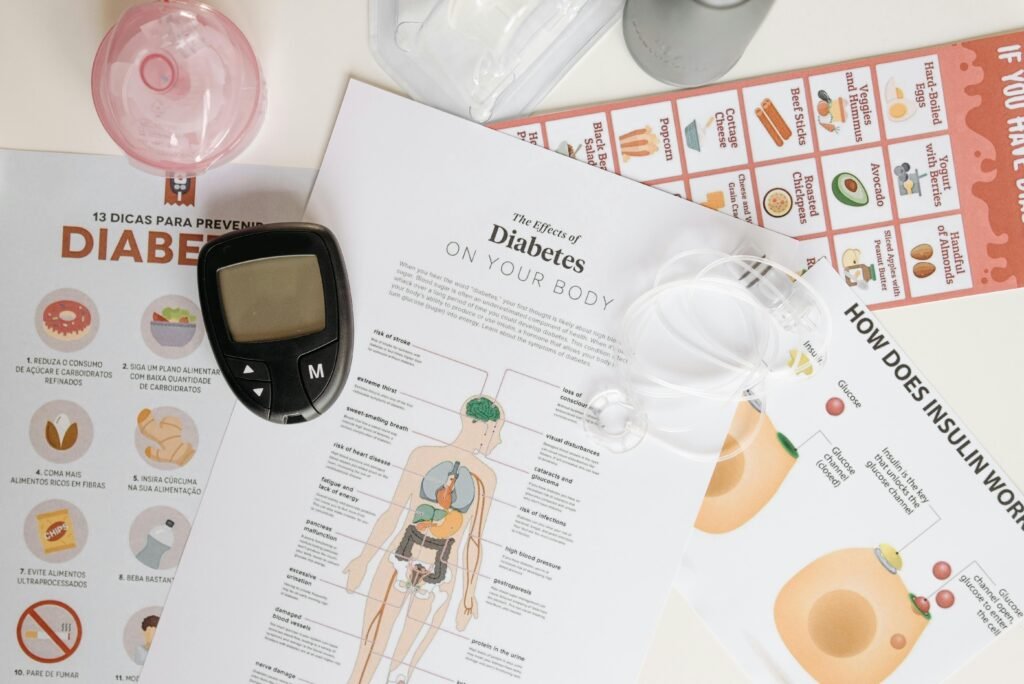
Improved insulin sensitivity doesn’t only assist with diabetes—it also decreases inflammation, improves metabolism, and promotes overall hormone health. Many studies have indicated that those adopting a low-carb regimen see demonstrable improvements in insulin function within weeks. For people battling with insulin resistance, keto may function like a reset button, giving the body a chance to operate the way it’s designed to.
Benefit 3: Supports Healthy Weight Loss
Excess weight, especially belly fat, is one of the biggest risk factors for type 2 diabetes. The ketogenic diet is particularly successful for weight reduction because it stimulates the body to burn fat for energy instead of storing it.
By entering ketosis, your metabolism becomes more effective at tapping into fat stores, which leads to gradual and sustained weight reduction over time.
Keto also naturally suppresses hunger. Unlike low-fat or calorie-restrictive diets that leave you hungry, the mix of healthy fats and moderate protein keeps you content for longer. This makes it easy to limit calories without feeling deprived.
Losing weight not only improves blood sugar regulation but also decreases strain on the pancreas and lowers the risk of linked health concerns including high blood pressure and fatty liver disease.
Benefit 4: Reduces Dependence on Medications
Many persons with type 2 diabetes depend on daily prescriptions to maintain blood sugar. While these treatments are frequently essential, they often come with adverse effects and seldom address the fundamental cause of the illness.
Research reveals that a low-carb, ketogenic diet may considerably improve glucose management to the point where some persons are able to decrease or even remove some medications—with their doctor’s supervision.
This is not a guarantee, and no one should cease medicine without medical guidance. However, the potential to lessen dependency on medicines is one among the greatest life-changing advantages of keto for type 2 diabetes.
When paired with healthy lifestyle choices, keto helps the body to operate more efficiently on its own, offering a path toward long-term independence from ongoing pharmaceutical control.
Benefit 5: Boosts Heart Health
People with type 2 diabetes have a much higher risk of developing heart disease. Fortunately, the ketogenic diet can support heart health by lowering triglycerides, increasing HDL (“good” cholesterol), and helping to regulate blood pressure. These improvements reduce strain on the cardiovascular system and lower the risk of heart attack or stroke.
Weight loss also plays a big role here. Excess fat, particularly around the abdomen, is strongly linked to cardiovascular problems. By helping you shed weight and improve metabolic health, keto provides a dual benefit: it manages diabetes and protects your heart at the same time. Over the long run, these changes create a healthier foundation for the entire body.
Benefit 6: Enhances Energy and Mental Clarity
Blood sugar variations can induce weariness, mental fog, and loss of attention. When your body is functioning on carbohydrates, energy increases immediately after a meal but drops shortly after, leaving you fatigued.

The ketogenic diet substitutes this rollercoaster with consistent, long-lasting energy from ketones. Because ketones offer a more consistent fuel supply, you’ll likely feel more alert, focused, and energetic throughout the day.
This impact extends beyond physical stamina. Many persons on keto report greater mental clarity and sharper cognitive ability.
For people with type 2 diabetes, this may be life-changing, since blood sugar volatility is commonly connected to mood swings, memory lapses, and poor focus. By regulating energy, keto helps you feel more in control of both your body and mind.
Benefit 7: Lowers Risk of Diabetic Complications
Uncontrolled blood sugar can lead to serious and irreversible complications such as neuropathy (nerve damage), kidney failure, and vision loss.
These issues can develop slowly over time and may drastically affect quality of life. The ketogenic diet helps prevent this by maintaining blood sugar consistently within a healthy range, minimizing the risk of damage to important organs.
Additionally, keto decreases inflammation and oxidative stress, both of which contribute to diabetes-related problems.
By taking control of blood sugar now, you’re also preserving your future health. Prevention is always better than cure, and keto provides a proactive strategy to defend against the consequences of uncontrolled diabetes.
Benefit 8: Promotes Long-Term Lifestyle Change
Sustainability is a major issue with most diets. Low-fat or calorie-restrictive diets can cause people to feel hungry, unhappy, and irritated, which can result in burnout and weight loss.
The ketogenic diet is unique. Its emphasis on satiating fats and protein makes it easier for many people to stick with over the long term. You will feel energized and full instead of constantly hungry, which makes the lifestyle much more sustainable.
Given that type 2 diabetes requires ongoing care, this long-term durability is particularly important. A long-term diet is more effective than a short-term one.
By adopting keto as a lifestyle choice rather than a temporary fix, you position yourself for long-term improved health, stable blood sugar control, and an improved quality of life.
Tips for Safely Starting Keto with Type 2 Diabetes
Starting the ketogenic diet may be incredibly effective for treating type 2 diabetes, but it’s crucial to do it cautiously.
The first step is always visiting your doctor or healthcare professional. They can assist evaluate whether keto is right for you, assess your existing medicines, and advise any required modifications.
Never start a severe low-carb diet without expert guidance, particularly if you use insulin or other blood sugar-lowering drugs.
Next, transition gradually rather than switching overnight. Sudden carb restriction might produce weariness, disorientation, or intestinal difficulties.
Begin with eliminating processed carbohydrates and sweets, then steadily add healthy fats and moderate protein. This provides your body time to adjust to utilizing ketones for energy.
Finally, check your blood sugar carefully during the change. Keeping a journal of your readings helps you detect trends and prevent hypoglycemia or harmful increases.
Tracking symptoms, energy levels, and ketone levels (if indicated) ensures that your keto journey is both safe and successful.
Common Mistakes to Avoid
Starting keto for type 2 diabetes may be miraculous, but some missteps might undercut your results—or even be dangerous.
- Skipping electrolytes → can cause fatigue, cramps, headaches.
- Eating unhealthy fats instead of whole, nutrient-rich foods.
- Not tracking macros or blood sugar → may hinder results and safety.
One typical concern is skipping electrolytes. When carb consumption declines, the body excretes more salt, potassium, and magnesium, which may contribute to tiredness, headaches, and muscular cramps. Make careful to add electrolyte-rich meals or supplements to keep balanced.
Another problem is consuming harmful fats instead of entire meals.
While keto prioritizes fats, it’s vital to concentrate on nutrient-dense sources like avocados, almonds, olive oil, and fatty seafood.
Processed or trans fats, fried meals, and excessive cheese may satisfy desires but won’t deliver the same health advantages and might hurt your heart.
Lastly, not monitoring macros or blood sugar is a typical overlook. Monitoring carbohydrate consumption, protein, and fat ensures your body remains in ketosis, while routinely testing blood sugar helps avoid harmful spikes or decreases.
Keeping a journal of both food and glucose levels helps you to adapt as required and remain on track safely.
Conclusion
The ketogenic diet provides a potent strategy to controlling type 2 diabetes, with advantages that go well beyond weight reduction.
From stabilizing blood sugar and enhancing insulin sensitivity to supporting healthy weight reduction, lowering medication reliance, and boosting heart health, keto gives practical, life-changing outcomes. It also boosts energy and mental clarity, decreases the risk of diabetes problems, and encourages a sustainable long-term lifestyle for improved overall health.
While keto may be revolutionary, it’s crucial to approach it carefully and under expert direction. Consulting your doctor, checking blood sugar, and gradually transitioning into the diet are critical stages to achieve best outcomes.
Ready to take charge of your health? Share your keto adventure in the comments below or download our free keto meal plan to get started with tasty, diabetes-friendly dishes that make the switch simpler and more pleasurable.